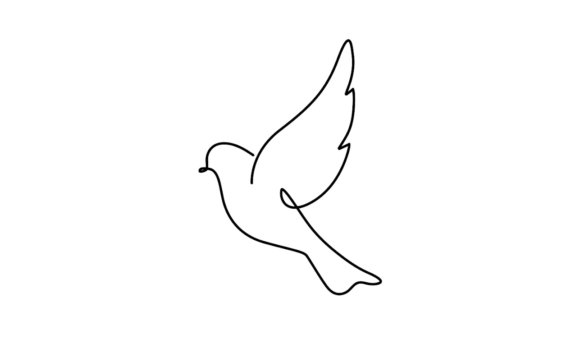
Animated Flying Bird Icon Line Art: A Dynamic Design Asset
In the landscape of digital content, static imagery often struggles to hold attention. We scroll quickly, our eyes darting across screens saturated with information. This is where a specific, potent type of design asset comes into play: the Animated Flying Bird Icon Line Art. It’s more than just a simple graphic; it’s a piece of continuous line art video that captures the essence of movement, freedom, and elegance in a minimalist form. Rendered in stunning 4K resolution, this asset offers a clean, sophisticated visual that can elevate a brand or project from ordinary to memorable. Think of it as the modern typography of the icon world—where a single, fluid line communicates volumes.
The appeal of this particular creative font alternative lies in its simplicity and personality. The visual style is defined by a single, unbroken line that traces the form of a bird in flight. There are no fills, no complex textures, just the pure, confident stroke of a path. This continuous line art style conveys a sense of fluidity, intelligence, and intentionality. It feels both technical and organic, making it a versatile element for a wide range of audiences. For a designer, it represents precision and craft. For an entrepreneur, it symbolizes agility and forward momentum. For a content creator, it’s a hook—a visual pause that draws the viewer in.
Where This Animated Asset Truly Takes Flight
The utility of an Animated Flying Bird Icon Line Art extends far beyond a simple website header. Its strength is in its adaptability. In web design, it can serve as an engaging loading animation, a subtle background element that adds life to a minimalist layout, or a standout icon for a navigation menu. Imagine a consulting firm’s website where this icon animates gently beside a headline about "strategic vision"—it reinforces the message without a single word. In social media graphics, it’s a game-changer. A looping video of a flying bird can make an Instagram story or a LinkedIn post immediately more engaging than a static image, increasing watch time and interaction.
For branding and logo design, this asset offers a unique opportunity. While it may not replace a primary wordmark, it can become a powerful secondary logo element or an animated brand mark for digital applications. A tech startup, a travel agency, or a sustainable goods company could use this animated icon to infuse their brand identity with a sense of dynamism and aspiration. In editorial design and publishing, bloggers and digital magazines can use it as a recurring motif in video intros, section dividers, or animated pull quotes. Even in packaging design, a QR code linked to a video featuring this line art can create a memorable unboxing experience, bridging the physical and digital worlds.
The Strategic Impact on Brand Perception and Engagement
Incorporating a well-crafted animated element like this is a strategic decision that influences how an audience perceives a brand. Consistency is key in building recognition, and using the same animated bird icon across a website, social media, and email campaigns creates a cohesive and professional brand identity. It signals attention to detail and a commitment to quality. This level of polish builds trust. An audience may not consciously note the animation, but they will feel the difference between a brand that uses generic stock assets and one that employs a unique, premium font equivalent in its graphics.
Furthermore, motion naturally guides the viewer's eye, establishing a clear visual hierarchy. An animated bird can lead a user’s focus toward a call-to-action button, a key piece of text, or a featured product. This improves the user experience and can directly impact conversion rates. The personality of the asset also plays a crucial role. A continuous line art style feels modern, clean, and approachable. It avoids the kitschiness of overly complex or cartoonish animations, making it suitable for serious B2B companies and creative startups alike. It’s a design asset that enhances readability and engagement by adding a layer of visual interest that complements, rather than competes with, the core message.
Practical Guidance for Implementation
Choosing and using an asset like the Animated Flying Bird Icon Line Art requires a practical approach. First, evaluate the fit for your project. Does the minimalist, line-based style align with your existing aesthetic? If your brand uses a heavy, bold sans serif font and dark colors, this delicate icon might feel out of place. Conversely, if your identity leans toward a light, airy, and modern feel, it could be a perfect match. Always test the asset in context. Place it on your website mockup or alongside your primary font pairing to see how the weight, pace, and style of the animation interact with your typography.
When reviewing the asset, look beyond the primary animation. Does it come in different formats (e.g., MP4, WebM, transparent GIF)? Are there variations in speed or style? Understanding the included files is part of professional due diligence. Finally, and most importantly, consider the commercial font and asset licensing. For any project that is not purely personal, you must ensure you have the correct license for commercial use. This protects you legally and ensures the creator is fairly compensated. A clear license allows you to use the animated flying bird confidently in client work, product packaging, or monetized content, making it a legitimate and powerful tool in your creative arsenal.
Ultimately, the Animated Flying Bird Icon Line Art is more than a fleeting trend. It’s a versatile design asset that speaks to a modern desire for clean, meaningful motion in our visual landscape. By thoughtfully integrating it, designers, marketers, and business owners can craft more engaging narratives, build stronger brand identities, and connect with their audiences on a more dynamic level. It’s a small element with the potential to make a significant impact, proving that sometimes, the most powerful statements are made with a single, elegant line.